Showing posts with label preparation. Show all posts
Showing posts with label preparation. Show all posts
Betel leave
Botanical name: Piper Betle
a.k.a Betel Pepper
Piper sermentosum syn. Chavia sermentosum
F. Piperaceae

Description
Ingredients
Benefits
Precautions
References:
http://www.instah.com/herbs/health-benefits-of-betel-leaf/
http://herbs.ygoy.com/health-benefits-of-betel-leaves/
http://www.herbsarespecial.com.au/free-herb-information/betel-leaf.html
http://www.nzhealth.net.nz/herbs/coriander.shtml
http://www.tradewindsfruit.com/betel_leaf.htm
http://en.wikipedia.org/wiki/Betel
Botanical name: Piper Betle
a.k.a Betel Pepper
Piper sermentosum syn. Chavia sermentosum
F. Piperaceae

Betel is a leaf of the vine that belongs to Piperaceae family which includes kava and pepper. It is a mild stimulant and has medicinal properties. It is a creeper and is evergreen. It has glossy leaves that are heart-shaped as well as white catkin. It originated from the South as well as South East Asia (Sri Lanka and India).
In Urdu, Bengali and Hindi, the betel leaf is known as Paan. Being a creeper it requires a pole or a compatible tree to grow. Fertile as well a high lands are best for cultivating betel leaves. Saline, waterlogged and alkaline soils are good for growing this plant.
Betel plant is slender and aromatic, which roots at the nodes.
Description
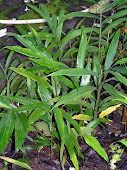
A green leafy vine growing as a ground cover or small climber, very similar in growth habits to pepper. The betel leaf plant is a branching vine (that may climb as high as 10-15ft) although it often grows as an understory ground cover.
Ingredients
- Protein (3.1%)
- Fat (0.8%)
- Minerals (2.3%)
- Fiber (2.3 %)
- Carbohydrates (6.1%)
- Calcium
- Riboflavin
- Carotene
- Niacin
- Thiamine
- Vitamin
- Sugar
- Tannins
- Diastases
- Also contains essential oil
Benefits
- The never-ending list of health properties of betel leaves is about as long and intriguing as the River Ganges. In Ayurvedic medicine (that holistic system of healing that originated in India some 3,000 to 5,000 years ago) the leaves are said to be an aphrodisiac (of course they are) and a breath freshener, which clearly helps in the amorous department
- Beyond the bedroom, betel leaf has been used since ancient times as an aromatic stimulant and anti-flatulent.
- In India, the betel leaf is used as a suppository to cast out worms.
- In Indonesia it is said to rid a warm body of Candida, blemishes and mouth ulcers and is praised for its digestive powers.
- Betel leaf juice is credited with diuretic properties. Its juice, mixed with dilute milk and sweetened slightly, helps in easing urination.
- Betel leaves are beneficial in the treatment of nervous pains, nervous exhaustion and debility. The juice of a few betel leaves, with a teaspoon of honey, will serve as a good tonic. A teaspoon of this can be taken twice a day.
- The betel leaf has analgesic and cooling properties. It can be applied with beneficial results over the painful area to relieve intense headache.
- Consumption of betel leaves instantly relieves Constipation.
- Applied locally, betel leaves are beneficial in the treatment of inflammation such as arthritis.
- Betel leaves can be used to heal wounds. The juice of a few leaves should be extracted and applied on the wound. Then a betel leaf should be wrapped over and bandaged. The wound will heal up with a single application within 2 days.
- The herb is also an effective remedy for boils. A leaf is gently warmed till it gets softened, and is then coated with a layer of castor oil. The oiled leaf is spread over the inflamed part. This leaf has to be replaced, every few hours. After a few applications, the boil will rupture draining all the purulent matter. The application can be made at night and removed in the morning.
- A hot poultice of the leaves or their juice mixed with some bland oil such as refined coconut oil can be applied to the loins with beneficial results in lumbago.
- Betel leaves are beneficial in pulmonary affection in childhood and old age. The leaves, soaked in mustered oil and warmed, may be applied to the chest to relieve cough and difficulty in breathing.
Precautions
Cancer of the mouth and lips has been found to be more frequent in areas where the betel chewing habit is widely prevalent. Other ill-effects of pan-chewing like dyspepsia, cancer of the tongue and cheeks have also been observed amongst excessive chewers.
References:
http://www.instah.com/herbs/health-benefits-of-betel-leaf/
http://herbs.ygoy.com/health-benefits-of-betel-leaves/
http://www.herbsarespecial.com.au/free-herb-information/betel-leaf.html
http://www.nzhealth.net.nz/herbs/coriander.shtml
http://www.tradewindsfruit.com/betel_leaf.htm
http://en.wikipedia.org/wiki/Betel
Labels:
arthritis,
benefits,
betel leaves,
colon cleanser,
diarrhea,
facts,
headache,
herbs,
nervous,
preparation
0
comments
|
|


Common name: Ginger
Latin Names: Zingiber officinale
Introduction:
Ginger is a tropical plant that has green-purple flowers with aromatic rhizome (underground stem). It is commonly used among people in cooking or even as a medicine. This practices have been that long times before by the old people. They may probably do not know what it actually done, but they are sure they give good effects.
It was cultivated in China and India, and reached the West at least 2000 years back. Most of the Chinese’s traditional medicines’ prescriptions are combination of variety of herbs and ginger is used nearly half of that for mediating the effects of the other ingredients. Besides that, it stimulates the appetite and calm the stomach. Differ with European herbal traditions which use it to stop nausea and quiet upset stomach.

BENEFITS OF GINGER
The benefits of ginger root to health are countless. It has antiseptic, stimulating, digestive, expectorant, aphrodisiac (arousing sexual desire), carminative (relieve flatulence), anti-inflammatory and analgesic properties, that can be used to treat a wide range of ailments and illnesses.
Nausea and vomiting
It has been proven that ginger is generally effective as an emetic (relieves vomiting). Ginger root helps in preventing, relieving and reducing motion sickness and nausea and vomiting related to pregnancy or in other word ‘morning sickness’. Nausea and vomiting due to chemotherapy and seasickness also can be reduced by ginger. However, large doses taken during pregnancy is discourage due to concerns about mutations or abortion. Additional researches are carried to determine the safety of ginger during pregnancy.
Diarrhea
The juice of ginger root is very effective in curing gastrointestinal and digestive ailment such as diarrhea, food poisoning, constipation and indigestion. This effect is attributed by zingerone, a compound in ginger that also contributes to the pungent taste. Its carminative properties help to relieve food poisoning symptoms and also cure bacterial dysentery and intestinal infections.


Pain and Inflammation
Ginger also acts as anti-inflammatory and analgesics. Effectiveness can be seen especially among the osteoarthritis of the hip or knee and rheumatoid arthritis.
The effectiveness may be related to inhibition of prostaglandin and leukotriene biosynthesis. 8-Gingerol, not 6-Gingerol was shown to inhibit COX-2 expression, which is induced during inflammation to amplify formation of prostaglandin.
Menstrual Cramps
Ginger juice when used together with some lemon juice in lukewarm water, is very beneficial in treating painful and irregular menstruation.
Stress
Soothing effect of the ginger give an advantage that helps to relief stress, depression and anxiety.
Preparations:
Fresh root, dried root, capsules, tablets, tinctures, and standardized products. The dried roots have synergistic interaction between compound in essential oil and pungent principles such as gingerol.
Cautions:
1. Ginger capsules should be taken with a full glass of water or fluid.
2. Ginger can be taken the day after surgery to prevent post surgery nausea but should be stopped at least three to four days prior to surgery, due to the fact that it can make blood platelets less sticky and therefore increases the risk of bleeding.
3. Patients with gall bladder disease should avoid it
4. Do not exceed the recommended dose.
References:
http://www.nlm.nih.gov/medlineplus/druginfo/natural/patient-ginger.html
http://www.buzzle.com/articles/health-benefits-of-ginger-root.html
http://www.nutritional-supplements-health-guide.com/benefits-of-ginger.html
http://nccam.nih.gov/health/ginger/
Steven Foster. (1996). Herbs for Your Health: A Handy Guide for Knowing and Using 50 Common Herbs. United States. Interweave Press
Packer L., Choon Nam Ong, Halliwell Barry. (2004)Herbal and Traditional Medicine (Molecular Aspects of Health). United States. Marcel Dekker
by Siti Latifah Azirah Bt Mohd Noor
Labels:
beauty,
benefits,
caution,
diarrhea,
ginger,
herbs,
inflammation,
menstrual cramps,
nausea,
pain,
preparation,
vomitting
|
|