Showing posts with label herbs. Show all posts
Showing posts with label herbs. Show all posts
HERBS IN HADITH
Part Three of Three: RAMADAN HERBS
By Karima Burns
As Ramadan approaches, we inevitably think about all of the special meals that we will eat during this holy month. After a day of fasting and worship, the Muslim or Muslimah’s reward is not only the sense of peace that he or she has gained, but also the special iftar that waits.
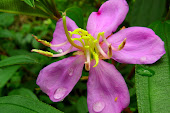
Hibiscus
Dates
.......................................................................................
prepared by, Nur Afifah Shuhardi
Part Three of Three: RAMADAN HERBS
By Karima Burns
As Ramadan approaches, we inevitably think about all of the special meals that we will eat during this holy month. After a day of fasting and worship, the Muslim or Muslimah’s reward is not only the sense of peace that he or she has gained, but also the special iftar that waits.
In many areas of the world such as the Middle East, India, and African countries, iftar meals are filled with traditional foods that can be traced to the time of the prophet (SAW). In other countries, the food may take on the flavor of the country one is in, such as a pizza iftar in America or a taco iftar in Mexico.
However, there are traditional gifts from nature that we should remember wherever we live, gifts that were used by Prophet Mohammed (SAW) in his life, and gifts that assist the fasting Muslim during Ramadan. Among these bounties are the hibiscus flower, dates, rosewater essence, and miswak.
Hibiscus
In the Middle East and Africa, hibiscus is readily served to guests, especially during Ramadan. However, for so many Ramadan traditions like the kunafa (a Ramadan sweet) and the musaharati (the man who wakes people for suhur), few look beyond the tradition for its benefit.

Although the sweet richness of kunafa can claim to nourish the spirit of the believer, the hibiscus flower can lay claim to many physical benefits for the fasting body. Hibiscus is, first of all, a pleasant tasting drink with astringent and, thus, thirst-quenching properties that may it quite useful when consumed during Ramadan. Secondly, a cup of hibiscus tea is 17% citric acid, and contains half as much vitamin C as an orange so it helps to strengthen the immune system. Hibiscus also has similar uses as cranberry juice in treating urinary tract infections, and is also useful for the heart and blood flow. Other properties in the herb help maintain the blood sugar balance in the body, another challenge one must overcome during fasting.
The traditional way to prepare hibiscus is to make a cold infusion. Take a quarter-cup of the herb and soak it in a pitcher of cold water in the refrigerator overnight. In the morning, strain out the hibiscus flowers and add honey to taste. Many people use sugar to sweeten their hibiscus; however, sugar leeches vitamins B and C from the body, can encourage urinary tract infections and counteracts most of the other benefits of the hibiscus as well. The best choice of sweeteners is to use about a teaspoon or more of the herb stevia, a green leafy herb from Paraguay that is sweet and lacks calories much like Nutra-sweet, but with none of the synthetic dangers. Stevia also has blood-sugar balancing properties and, thus, is the safest herb for diabetics.
Dates
Dates are another traditional item to ingest during the iftar. Muslims around the world, following the example of the Prophet (SAW), usually break their fast with dates.  The reason that they are so beneficial is that their natural sugar travels quickly to the liver, and is converted more quickly than any other nutrient into energy that the fasting body soaks up like a sponge. This is the healthiest way of breaking the fast as it eases the body into digesting. Dates contain protein, calcium, phosphorus, iron, potassium, vitamin A, and natural sodium. They also contain a high amount of dietary fiber, which makes them a good digestive aid. Dates are also said to protect the stomach and the intestines from parasites and bacterial infections, so they are an especially good beginning to a meal when traveling or eating at a restaurant.
 The reason that they are so beneficial is that their natural sugar travels quickly to the liver, and is converted more quickly than any other nutrient into energy that the fasting body soaks up like a sponge. This is the healthiest way of breaking the fast as it eases the body into digesting. Dates contain protein, calcium, phosphorus, iron, potassium, vitamin A, and natural sodium. They also contain a high amount of dietary fiber, which makes them a good digestive aid. Dates are also said to protect the stomach and the intestines from parasites and bacterial infections, so they are an especially good beginning to a meal when traveling or eating at a restaurant.
Rosewater
After the evening meal is finished, Muslims often go straight to make the Tarawih prayers, to which they often like to wear a pure essence of some sort.  Perfume is a food for the soul and the spirit, much like dates and hibiscus are foods for the body. During Ramadan, Muslims need many foods to keep them strong in their religious duties. In one of the best known Hadith of the Prophet Muhammad (SAW), he was quoted as saying, "There are three things in your world that are made to attract my affection: women, perfume, and then my ultimate fondness is securely fixed on prayers."
 Perfume is a food for the soul and the spirit, much like dates and hibiscus are foods for the body. During Ramadan, Muslims need many foods to keep them strong in their religious duties. In one of the best known Hadith of the Prophet Muhammad (SAW), he was quoted as saying, "There are three things in your world that are made to attract my affection: women, perfume, and then my ultimate fondness is securely fixed on prayers."
Rose essence or rosewater is one of the most popular essences for men and women to wear during this time. Besides the fact that it is one of the most heavenly scents, rose essence has a number of aromatherapy benefits as well. Valerie Worwood, in her book The Complete Book of Aromatherapy, notes that rose essence is a powerful anti-depressant, is uplifting, aids in digestion, and soothes frayed nerves during the stressful days of fasting. These benefits can all be enjoyed just by sprinkling some of the water or essence on your body, adding a few drops to your bathwater, or burning the scent in an incense burner in your home.
Miswak
Rosewater is also the preferred soak for miswak which, taken from the branches of a miswak tree, is an answer to every Muslim who has asked, "Is it okay to brush my teeth while fasting?"
This question often arises in modern times because of western tooth brushing methods that  require a mouthful of water and often involve delicious tasting toothpaste. Miswak, on the other hand, is simply soaked until the brushing end is soft, and then gently stroked over the teeth. Imam Al-Bukhari narrated that Abdullah bin Omar brushed his teeth with a miswak morning and evening while fasting.
 require a mouthful of water and often involve delicious tasting toothpaste. Miswak, on the other hand, is simply soaked until the brushing end is soft, and then gently stroked over the teeth. Imam Al-Bukhari narrated that Abdullah bin Omar brushed his teeth with a miswak morning and evening while fasting.
A fasting person, in fact, is in more need of tooth brushing than the non-fasting person since vapors from the empty stomach tend to bind to the teeth and gums. Miswak helps to keep the breath fresh and pure. Among the other benefits of using miswak are that it clears the brain, generates a sense of well-being, remedies the stomach for the next meal, embraces the prophetic tradition, adds to ones merit, pleases Allah, and delights the angels.
During this Ramadan, remember the gifts of nature for they are really gifts from Allah to us to ease us through our fasts. The verse Al-Asharh (Surah 94:5) that we recite during Tarawih prayers says, " So, verily with every difficulty there is relief."
.......................................................................................
Karima Burns, MH, ND has a Doctorate in Naturopathy and a Masters in Herbal Healing. She has studied natural healing for 12 years, published a natural healing newsletter for 4 years, and writes extensively on natural healing and herbs. Sister Karima became interested in natural healing after ending her personal lifelong struggle with asthma, allergies, chronic ear infections, depression, hypoglycemia, fatigue and panic attacks with herbs and natural therapies.
prepared by, Nur Afifah Shuhardi
Betel leave
Botanical name: Piper Betle
a.k.a Betel Pepper
Piper sermentosum syn. Chavia sermentosum
F. Piperaceae

Description
Ingredients
Benefits
Precautions
References:
http://www.instah.com/herbs/health-benefits-of-betel-leaf/
http://herbs.ygoy.com/health-benefits-of-betel-leaves/
http://www.herbsarespecial.com.au/free-herb-information/betel-leaf.html
http://www.nzhealth.net.nz/herbs/coriander.shtml
http://www.tradewindsfruit.com/betel_leaf.htm
http://en.wikipedia.org/wiki/Betel
Botanical name: Piper Betle
a.k.a Betel Pepper
Piper sermentosum syn. Chavia sermentosum
F. Piperaceae

Betel is a leaf of the vine that belongs to Piperaceae family which includes kava and pepper. It is a mild stimulant and has medicinal properties. It is a creeper and is evergreen. It has glossy leaves that are heart-shaped as well as white catkin. It originated from the South as well as South East Asia (Sri Lanka and India).
In Urdu, Bengali and Hindi, the betel leaf is known as Paan. Being a creeper it requires a pole or a compatible tree to grow. Fertile as well a high lands are best for cultivating betel leaves. Saline, waterlogged and alkaline soils are good for growing this plant.
Betel plant is slender and aromatic, which roots at the nodes.
Description
A green leafy vine growing as a ground cover or small climber, very similar in growth habits to pepper. The betel leaf plant is a branching vine (that may climb as high as 10-15ft) although it often grows as an understory ground cover.
Ingredients
- Protein (3.1%)
- Fat (0.8%)
- Minerals (2.3%)
- Fiber (2.3 %)
- Carbohydrates (6.1%)
- Calcium
- Riboflavin
- Carotene
- Niacin
- Thiamine
- Vitamin
- Sugar
- Tannins
- Diastases
- Also contains essential oil
Benefits
- The never-ending list of health properties of betel leaves is about as long and intriguing as the River Ganges. In Ayurvedic medicine (that holistic system of healing that originated in India some 3,000 to 5,000 years ago) the leaves are said to be an aphrodisiac (of course they are) and a breath freshener, which clearly helps in the amorous department
- Beyond the bedroom, betel leaf has been used since ancient times as an aromatic stimulant and anti-flatulent.
- In India, the betel leaf is used as a suppository to cast out worms.
- In Indonesia it is said to rid a warm body of Candida, blemishes and mouth ulcers and is praised for its digestive powers.
- Betel leaf juice is credited with diuretic properties. Its juice, mixed with dilute milk and sweetened slightly, helps in easing urination.
- Betel leaves are beneficial in the treatment of nervous pains, nervous exhaustion and debility. The juice of a few betel leaves, with a teaspoon of honey, will serve as a good tonic. A teaspoon of this can be taken twice a day.
- The betel leaf has analgesic and cooling properties. It can be applied with beneficial results over the painful area to relieve intense headache.
- Consumption of betel leaves instantly relieves Constipation.
- Applied locally, betel leaves are beneficial in the treatment of inflammation such as arthritis.
- Betel leaves can be used to heal wounds. The juice of a few leaves should be extracted and applied on the wound. Then a betel leaf should be wrapped over and bandaged. The wound will heal up with a single application within 2 days.
- The herb is also an effective remedy for boils. A leaf is gently warmed till it gets softened, and is then coated with a layer of castor oil. The oiled leaf is spread over the inflamed part. This leaf has to be replaced, every few hours. After a few applications, the boil will rupture draining all the purulent matter. The application can be made at night and removed in the morning.
- A hot poultice of the leaves or their juice mixed with some bland oil such as refined coconut oil can be applied to the loins with beneficial results in lumbago.
- Betel leaves are beneficial in pulmonary affection in childhood and old age. The leaves, soaked in mustered oil and warmed, may be applied to the chest to relieve cough and difficulty in breathing.
Precautions
Cancer of the mouth and lips has been found to be more frequent in areas where the betel chewing habit is widely prevalent. Other ill-effects of pan-chewing like dyspepsia, cancer of the tongue and cheeks have also been observed amongst excessive chewers.
References:
http://www.instah.com/herbs/health-benefits-of-betel-leaf/
http://herbs.ygoy.com/health-benefits-of-betel-leaves/
http://www.herbsarespecial.com.au/free-herb-information/betel-leaf.html
http://www.nzhealth.net.nz/herbs/coriander.shtml
http://www.tradewindsfruit.com/betel_leaf.htm
http://en.wikipedia.org/wiki/Betel
Labels:
arthritis,
benefits,
betel leaves,
colon cleanser,
diarrhea,
facts,
headache,
herbs,
nervous,
preparation
0
comments
|
|


Common Names: Aloe Vera, True Aloe, aloe vera, aloe, burn plant, lily of the desert, elephant's gall.
Latin Names: Aloe vera, Aloe barbadensis
BACKGROUND
Aloe vera is obtained from the mucilaginous tissue which is located at the center of the leaf. Numerous scientific researches have indicated that aloe vera has many benefits and healthy functions to human body. Studies have shown that aloe vera can be used as a tonic for immune system, help fighting kinds of illness.
 Structure of carbohydrate
It is mainly composed of carbohydrates and lipids. Carbohydrates in the aloe vera include mono- and polysaccharides, tannins, sterols, organic acids, and saponins whereas the lipids include cholesterols, gamolenic acid, and arachidonic acid. Aloe vera also naturally contains in vitamin C, amino acids, enzymes, germanium, protein, calcium, magnesium, zinc, essential fatty acids, vitamins A, B12, and E. Below are the following benefits of aloe vera according to its contents:
Vitamin C:
- Helps maintain tone of blood vessels
- Promotes smooth blood circulation
- Essential to the adrenal gland
- Support human body during stress
Amino acid:
- Acts as building block of protein in our body
Germanium:
- A mineral that have therapeutic effects:
- Immunodeficiency, pain, cardiac disorders, and eye problems
BENEFITS of ALOE VERA
Thousand years ago, transparent gel of aloe vera leaves has been used to treat many dermatologic conditions (e.g:burns, wounds, skin infections). Traditionally, aloe vera has been used in ointments and creams preparations.

Recently, over 200 worldwide scientific research papers about aloe vera have been published and it has 3 categories of researches which are anti-inflammatory, antibacterial, and antiviral actions of aloe vera.
Aloe vera juice has lots of benefits and is believed to be the finest body cleansers. The juice can soothe digestive tract irritations like colitis, ulcers, and irritable bowel syndrome.
Based on Journal of the American Osteopathic Society, (1963, vol.62), it is good for ulcer-healing effects since it encourages the release of gastric juice enzyme (pepsin) during full stomach.
Oral use of aloe vera also may clean morbid matter from the stomach, liver, kidneys, spleen, bladder, and has been considered as the finest colon cleanser.
Drinking aloe vera juice can reduce the severity of asthma due to its anti-inflammatory effects. Few scientific evidences have proved that dried latex of aloe vera leaves has laxative properties which can treat constipation.

The gel has been reported to be effective in the treatment of mouth ulcers.
Hydrophilic cream and lotion of aloe vera have been suggested as effective treatment of psoriasis vulgaris and seborrheic dermatitis respectively.

Recently, over 200 worldwide scientific research papers about aloe vera have been published and it has 3 categories of researches which are anti-inflammatory, antibacterial, and antiviral actions of aloe vera.
Aloe vera juice has lots of benefits and is believed to be the finest body cleansers. The juice can soothe digestive tract irritations like colitis, ulcers, and irritable bowel syndrome.
Based on Journal of the American Osteopathic Society, (1963, vol.62), it is good for ulcer-healing effects since it encourages the release of gastric juice enzyme (pepsin) during full stomach.
Oral use of aloe vera also may clean morbid matter from the stomach, liver, kidneys, spleen, bladder, and has been considered as the finest colon cleanser.
Drinking aloe vera juice can reduce the severity of asthma due to its anti-inflammatory effects. Few scientific evidences have proved that dried latex of aloe vera leaves has laxative properties which can treat constipation.

The gel has been reported to be effective in the treatment of mouth ulcers.
Hydrophilic cream and lotion of aloe vera have been suggested as effective treatment of psoriasis vulgaris and seborrheic dermatitis respectively.
Reference:
http://nccam.nih.gov/health/aloevera
http://nlm.nih.gov/medlineplus/druginfo/natural/patient-aloe.html
by Norashikin Bt Mohamad Sapuan

Common name: Ginger
Latin Names: Zingiber officinale
Introduction:
Ginger is a tropical plant that has green-purple flowers with aromatic rhizome (underground stem). It is commonly used among people in cooking or even as a medicine. This practices have been that long times before by the old people. They may probably do not know what it actually done, but they are sure they give good effects.
It was cultivated in China and India, and reached the West at least 2000 years back. Most of the Chinese’s traditional medicines’ prescriptions are combination of variety of herbs and ginger is used nearly half of that for mediating the effects of the other ingredients. Besides that, it stimulates the appetite and calm the stomach. Differ with European herbal traditions which use it to stop nausea and quiet upset stomach.

BENEFITS OF GINGER
The benefits of ginger root to health are countless. It has antiseptic, stimulating, digestive, expectorant, aphrodisiac (arousing sexual desire), carminative (relieve flatulence), anti-inflammatory and analgesic properties, that can be used to treat a wide range of ailments and illnesses.
Nausea and vomiting
It has been proven that ginger is generally effective as an emetic (relieves vomiting). Ginger root helps in preventing, relieving and reducing motion sickness and nausea and vomiting related to pregnancy or in other word ‘morning sickness’. Nausea and vomiting due to chemotherapy and seasickness also can be reduced by ginger. However, large doses taken during pregnancy is discourage due to concerns about mutations or abortion. Additional researches are carried to determine the safety of ginger during pregnancy.
Diarrhea
The juice of ginger root is very effective in curing gastrointestinal and digestive ailment such as diarrhea, food poisoning, constipation and indigestion. This effect is attributed by zingerone, a compound in ginger that also contributes to the pungent taste. Its carminative properties help to relieve food poisoning symptoms and also cure bacterial dysentery and intestinal infections.


Pain and Inflammation
Ginger also acts as anti-inflammatory and analgesics. Effectiveness can be seen especially among the osteoarthritis of the hip or knee and rheumatoid arthritis.
The effectiveness may be related to inhibition of prostaglandin and leukotriene biosynthesis. 8-Gingerol, not 6-Gingerol was shown to inhibit COX-2 expression, which is induced during inflammation to amplify formation of prostaglandin.
Menstrual Cramps
Ginger juice when used together with some lemon juice in lukewarm water, is very beneficial in treating painful and irregular menstruation.
Stress
Soothing effect of the ginger give an advantage that helps to relief stress, depression and anxiety.
Preparations:
Fresh root, dried root, capsules, tablets, tinctures, and standardized products. The dried roots have synergistic interaction between compound in essential oil and pungent principles such as gingerol.
Cautions:
1. Ginger capsules should be taken with a full glass of water or fluid.
2. Ginger can be taken the day after surgery to prevent post surgery nausea but should be stopped at least three to four days prior to surgery, due to the fact that it can make blood platelets less sticky and therefore increases the risk of bleeding.
3. Patients with gall bladder disease should avoid it
4. Do not exceed the recommended dose.
References:
http://www.nlm.nih.gov/medlineplus/druginfo/natural/patient-ginger.html
http://www.buzzle.com/articles/health-benefits-of-ginger-root.html
http://www.nutritional-supplements-health-guide.com/benefits-of-ginger.html
http://nccam.nih.gov/health/ginger/
Steven Foster. (1996). Herbs for Your Health: A Handy Guide for Knowing and Using 50 Common Herbs. United States. Interweave Press
Packer L., Choon Nam Ong, Halliwell Barry. (2004)Herbal and Traditional Medicine (Molecular Aspects of Health). United States. Marcel Dekker
by Siti Latifah Azirah Bt Mohd Noor
Labels:
beauty,
benefits,
caution,
diarrhea,
ginger,
herbs,
inflammation,
menstrual cramps,
nausea,
pain,
preparation,
vomitting
|
|